Canvas Fabric: Strength, Structure & Why It Remains a Timeless Textile
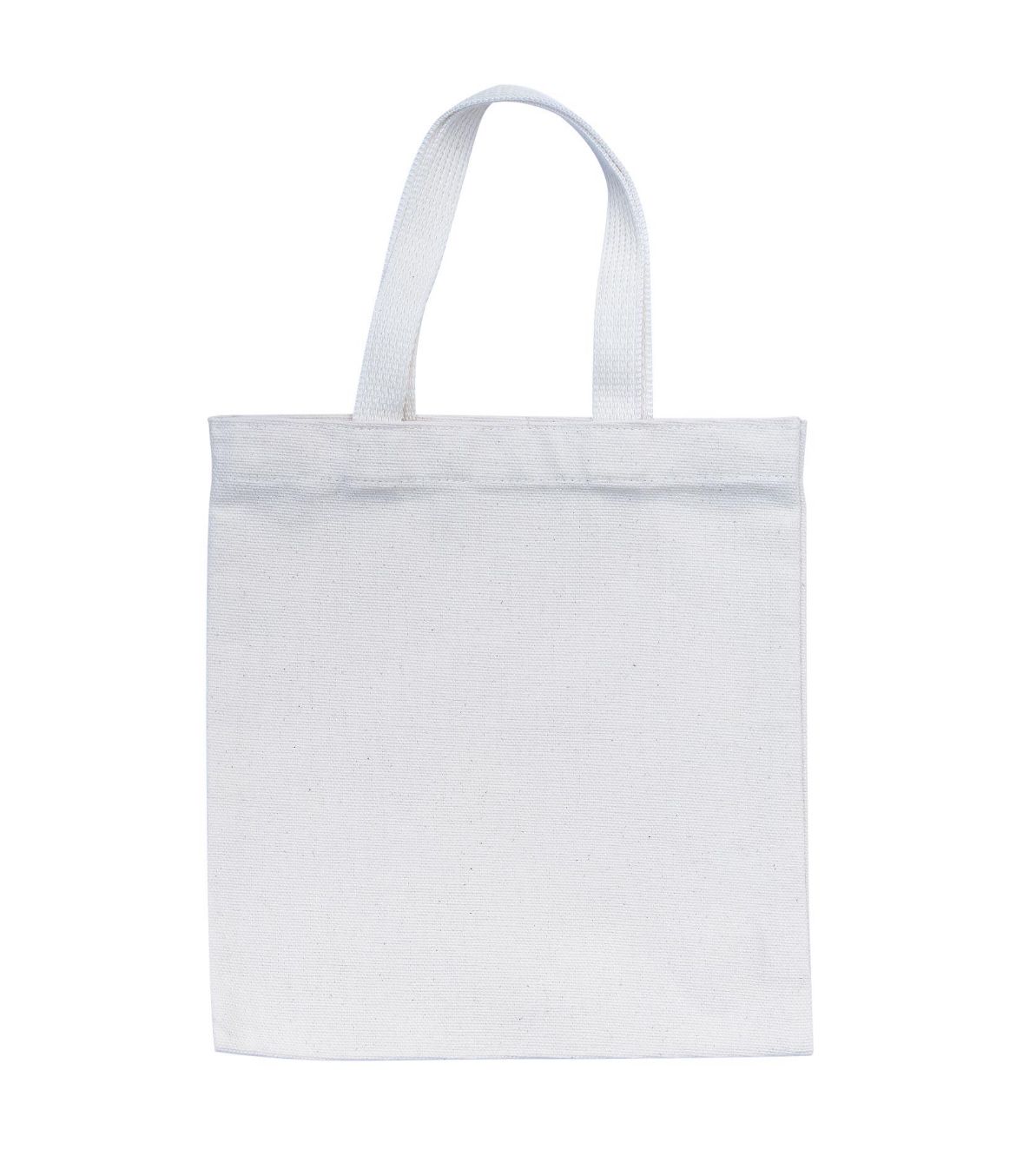
Canvas fabric is one of the most durable and versatile textiles used across industries today. Known for its strength, dense structure, and long-lasting performance, canvas has been widely used for everything from bags and footwear to upholstery and industrial applications.
Canvas is typically woven using a plain weave construction, where the warp and weft yarns intersect in a simple over-under pattern. This weaving method creates a tightly bound fabric that is resistant to tearing and capable of withstanding heavy use.
Because of its structure and durability, canvas has remained a trusted fabric for both functional and lifestyle products.
Understanding Canvas Fabric Construction
The performance of canvas fabric is determined by several key factors during the weaving process: yarn count, fabric construction, and GSM (fabric weight).
Yarn Count
Canvas fabrics are usually produced using thicker yarn counts, which give the fabric its strength and body. Common yarn counts used in canvas include:
-
2/10s cotton/poly
-
3/10s cotton/poly
-
2/7s cotton/poly
-
3/7s cotton/poly
Lower yarn counts represent thicker yarns, which help create stronger and heavier fabrics suitable for demanding applications.
Fabric Construction
Fabric construction refers to the number of warp and weft threads woven within a certain width. A higher thread density generally results in a stronger and more structured fabric.
In canvas weaving, maintaining the right balance between warp and weft threads is essential to ensure that the fabric remains stable, durable, and resistant to distortion during finishing and usage.
GSM (Fabric Weight)
GSM, or grams per square meter, represents the weight of the fabric and often indicates its thickness and strength.
Canvas fabrics can range widely in weight depending on their intended application:
-
200–300 GSM – lighter canvas used for garments and casual accessories
-
300–400 GSM – medium-weight canvas ideal for bags, backpacks, and lifestyle products
-
400+ GSM – heavy-duty canvas used for industrial or utility purposes
The choice of yarn, construction, and finishing processes ultimately determines the final GSM and performance of the fabric.
Applications of Canvas Fabric
Due to its durability and versatility, canvas fabric is used in a wide range of industries.
Some common applications include:
-
Tote bags, backpacks, and duffle bags
-
Curtains and upholstery fabrics
-
Footwear and lifestyle products
-
Workwear and protective products
-
Handicrafts and utility items
Its ability to maintain shape while remaining breathable makes canvas an excellent material for products that require both structure and durability.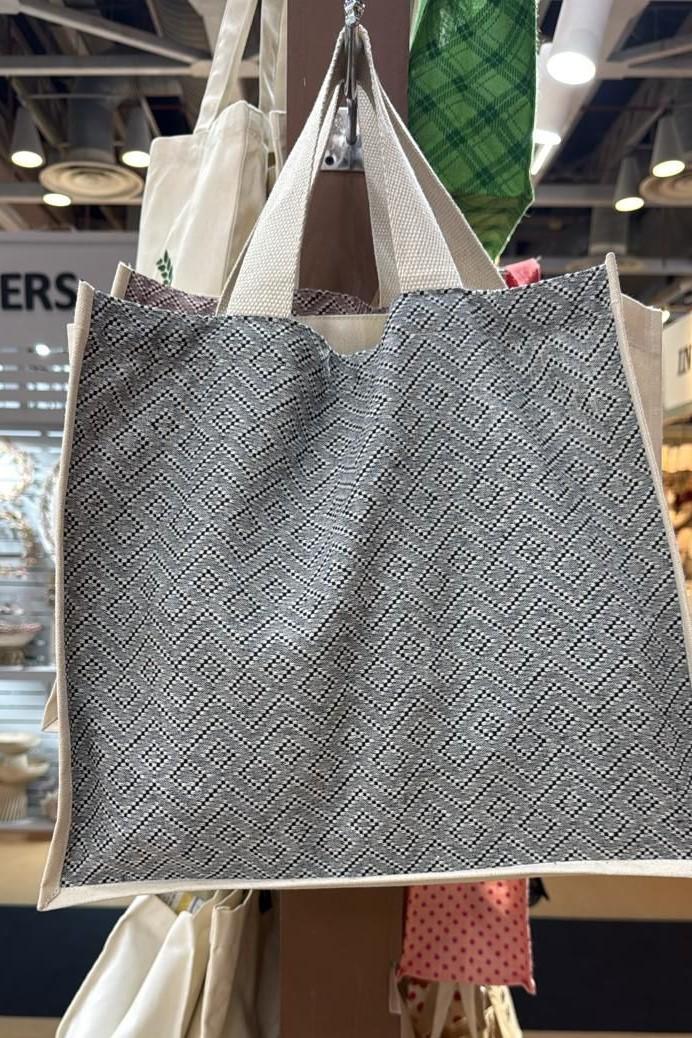
The Role of Weaving Expertise
Although canvas uses a relatively simple weave structure, producing high-quality canvas fabric requires precision and experience. Factors such as yarn preparation, loom settings, and finishing techniques significantly influence the fabric’s final strength and consistency.
With decades of experience in weaving structured fabrics, Raj Cottons has been manufacturing canvas fabrics since the 1990s and is recognized as one of India’s reliable canvas fabric producers.
Conclusion
Canvas fabric continues to be widely used because of its strength, versatility, and reliability. By carefully controlling yarn selection, fabric construction, and weaving precision, manufacturers are able to produce canvas fabrics suited for a variety of applications.
As industries continue to demand durable and customizable materials, experienced weaving mills such as Raj Cottons continue to play an important role in supplying high-quality canvas fabrics to brands and fabric buyers across India and beyond.
Recent Posts
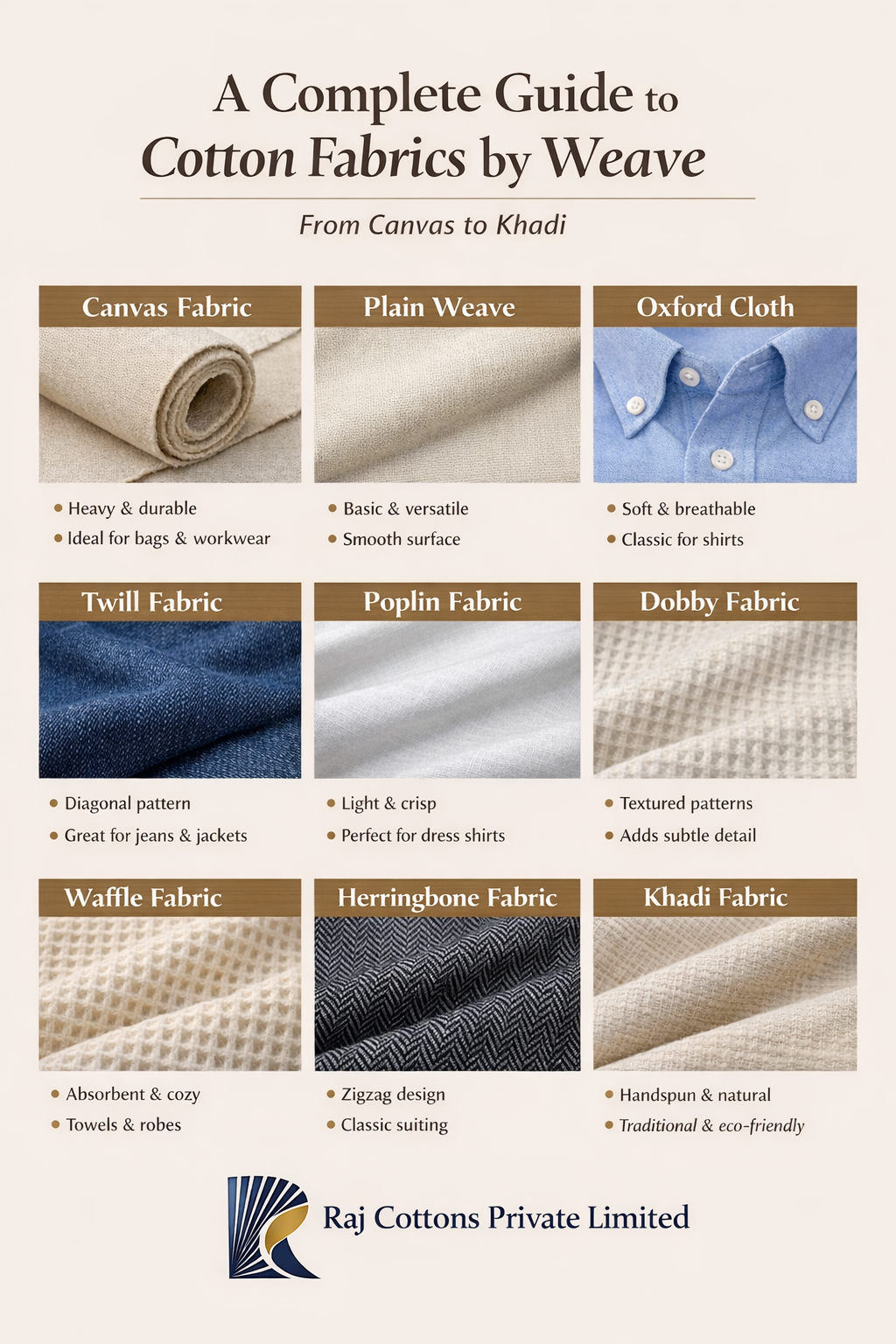
A Complete Guide to Cotton Fabrics by Weave: From Canvas to Khadi
09 March, 2026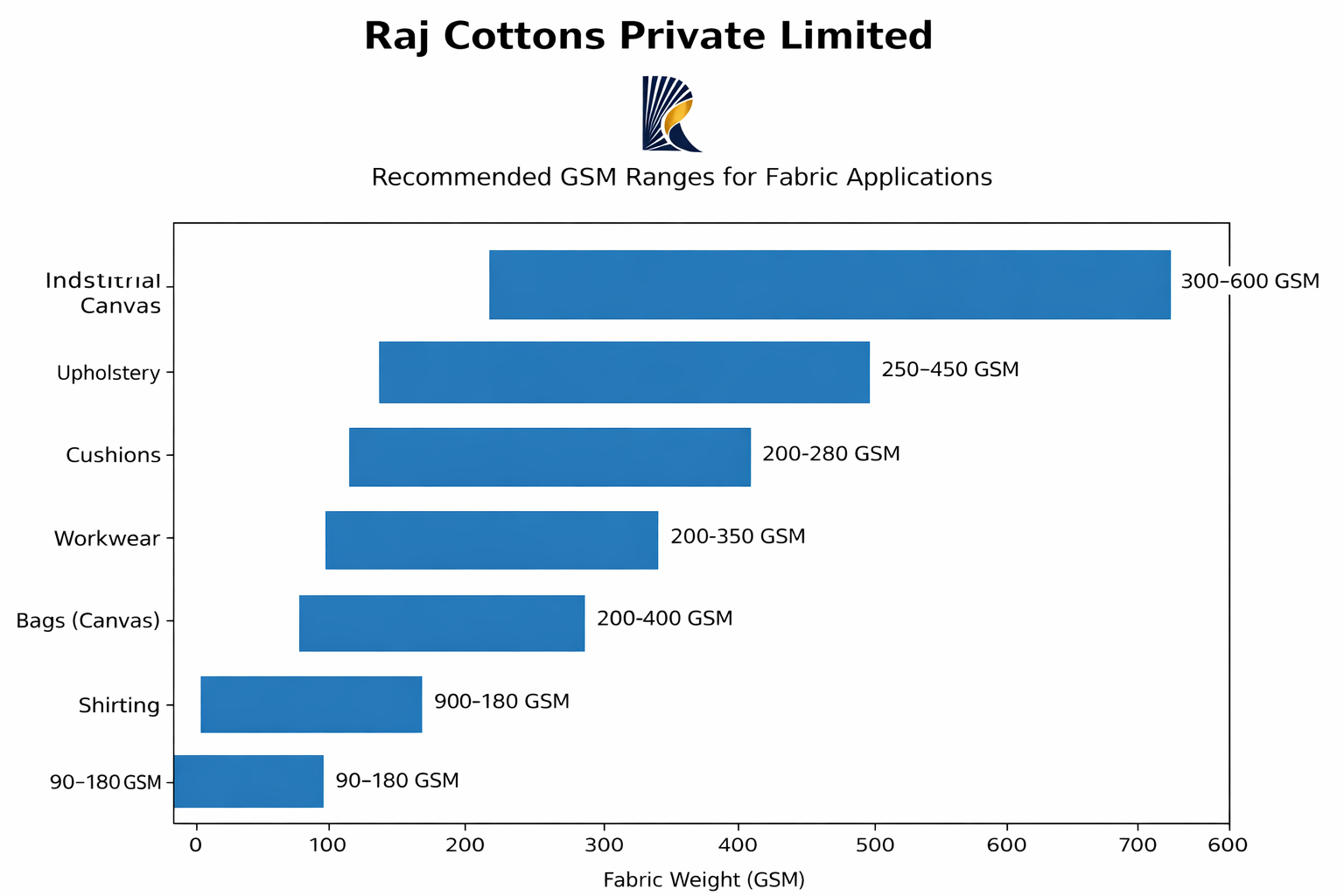
Applications & End-Uses: Choosing the Right Fabric
09 March, 2026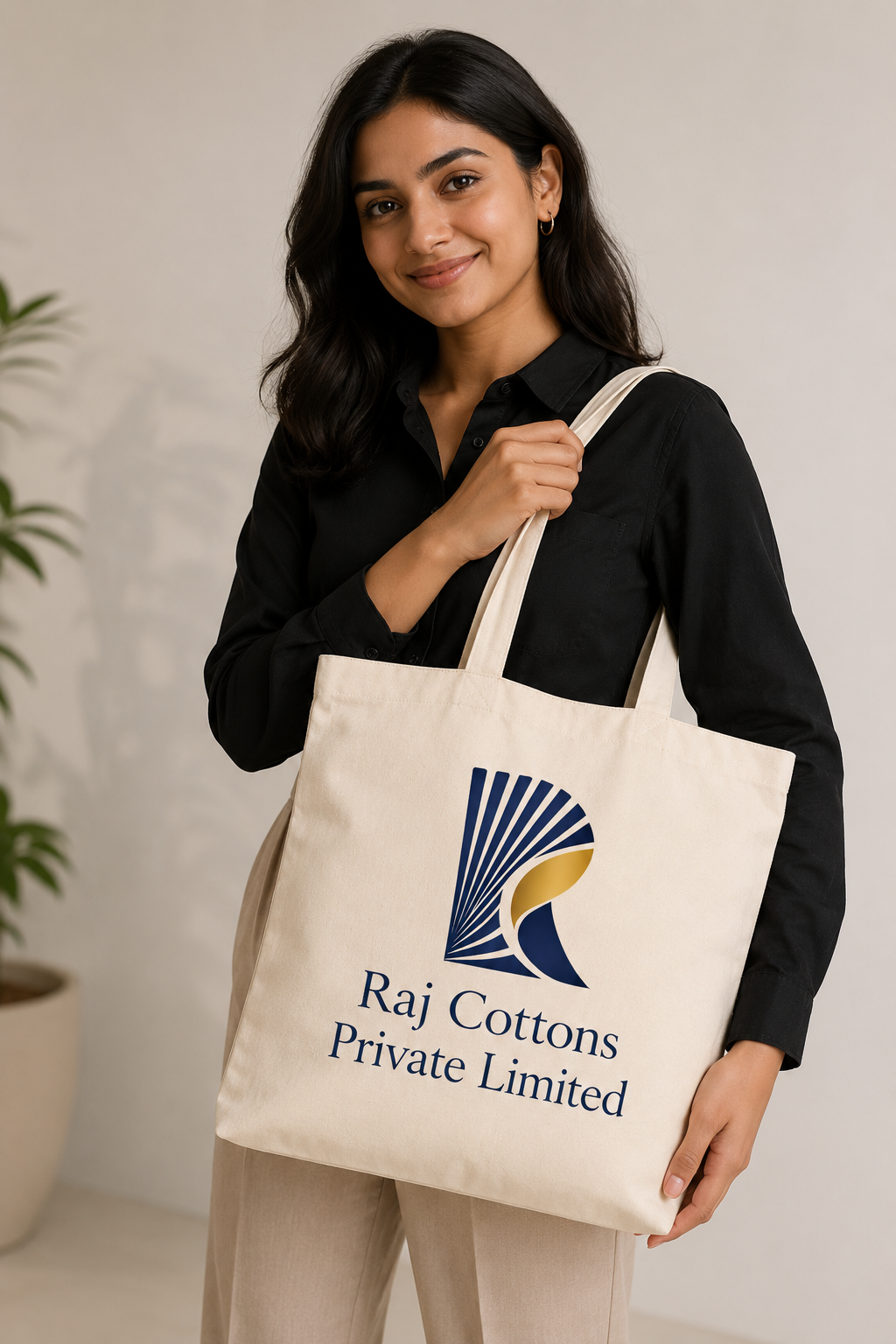
Fabric for Tote & Promotional Bags
12 August, 2026
Jaipur Block Printing & Fabrics for Bedsheets: The Beauty of Cotton Sheeting
17 August, 2026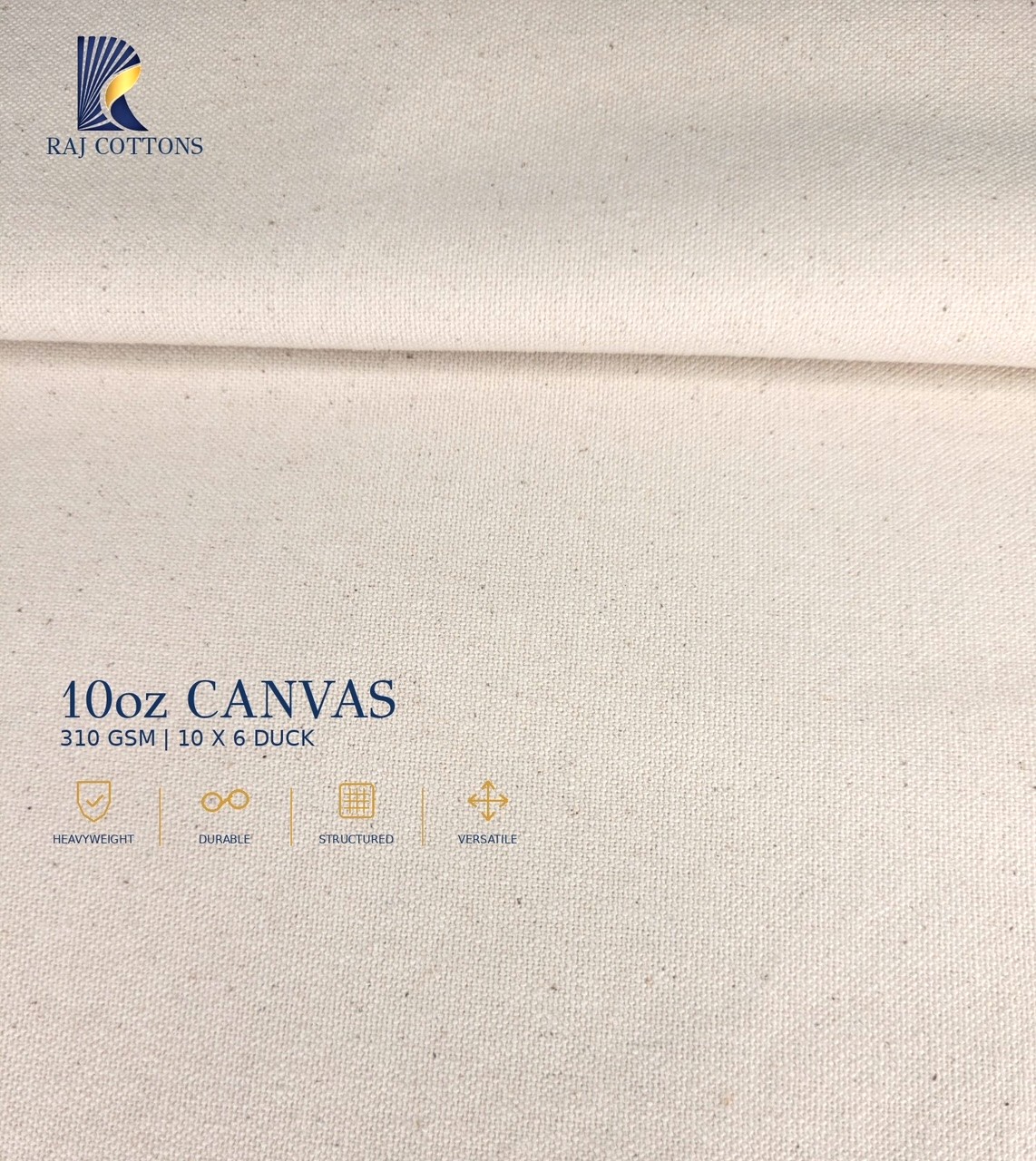
Fabric Wiki: 10 oz Canvas Fabric – 310 GSM 10×6 Duck
26 August, 2026.png)