A Complete Guide to Cotton Fabrics by Weave: From Canvas to Khadi
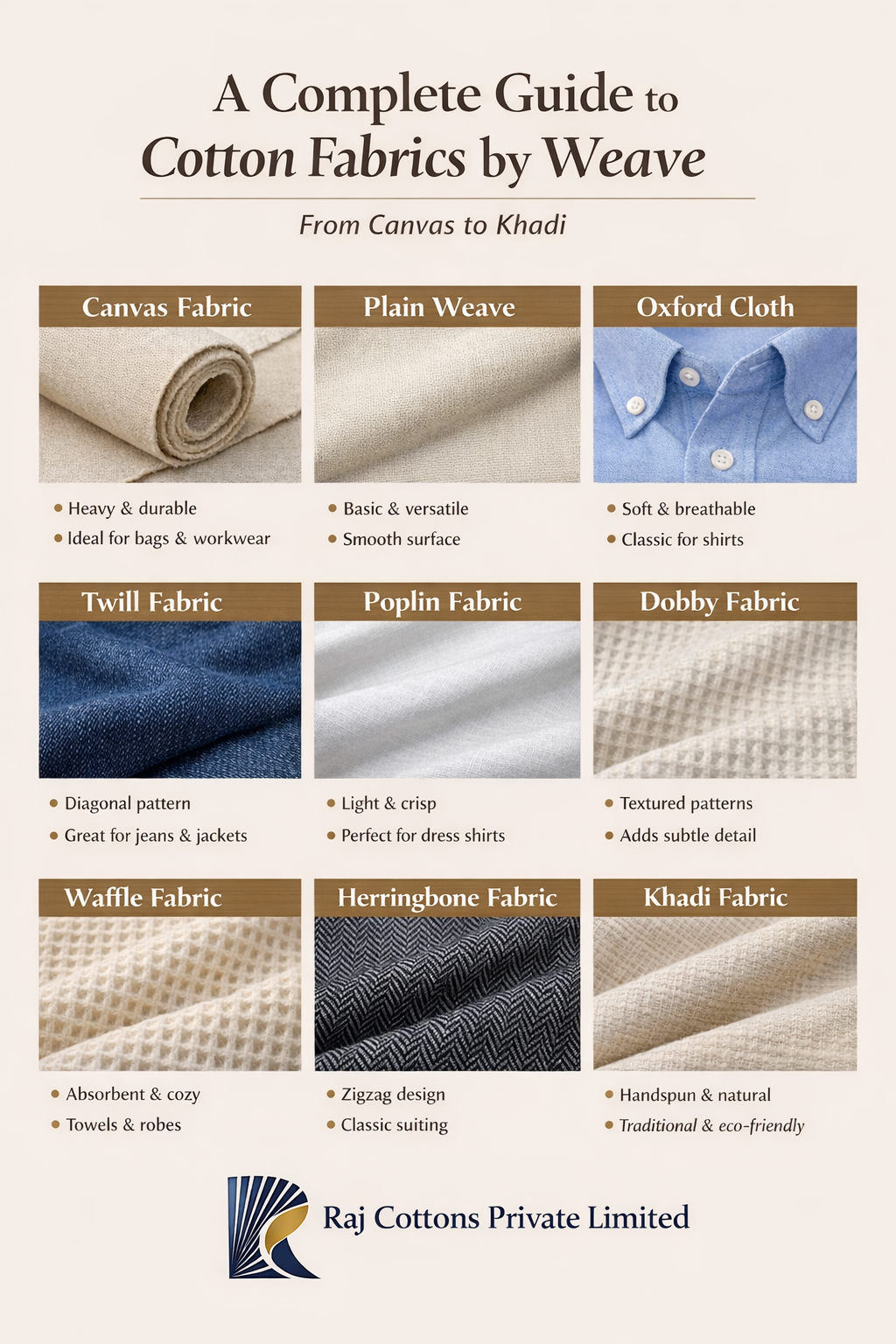
Walk into any textile market or fabric showroom and you will hear many familiar names—canvas fabric, twill fabric, poplin fabric, oxford cloth, or khadi fabric. To someone new to textiles, these might sound like completely different materials. In reality, most of them are made from the same raw ingredient: cotton.
What truly makes them different is how the yarn is woven together. The weave structure determines how a fabric looks, how strong it is, how it drapes, and where it can be used.
For designers, traders, and sourcing managers, understanding fabrics by weave makes choosing the right material much easier. In this guide, we explore some of the most commonly used cotton fabrics: canvas fabric, plain weave fabric, oxford cloth, twill fabric, poplin fabric, dobby fabric, waffle fabric, herringbone fabric, and khadi fabric.
The Foundation: Plain Weave Fabric
Most cotton fabrics begin with the plain weave fabric, the simplest and most widely used weaving structure.
In a plain weave, each yarn alternates over and under the next yarn in a simple pattern. This creates a balanced, strong, and stable fabric that is easy to produce and versatile to use.
Because of its structure, plain weave fabrics are known for:
-
Good durability
-
Balanced strength
-
Smooth appearance
-
Ease of printing and dyeing
Many well-known fabrics such as poplin, canvas, and oxford cloth are variations of the plain weave structure.
Plain weave fabric is commonly used in shirts, dresses, home textiles, and everyday garments because of its reliability and comfort.
Canvas Fabric: Strength and Durability
When people think of tough fabrics, canvas fabric often comes to mind.
Canvas is typically made using a dense plain weave with thicker yarns. This gives the fabric its characteristic strength and rugged appearance.
Because of its durability, canvas fabric is widely used in:
-
Tote bags
-
Upholstery
-
Workwear
-
Tents and utility products
Canvas can also be treated with coatings such as wax or water-resistant finishes to enhance performance. Despite its toughness, modern cotton canvas can still feel surprisingly comfortable and breathable.
Explore canvas fabrics with Raj Cottons - https://rajcottons.com/subproducts/Canvas/by_name
Oxford Cloth: The Classic Shirt Fabric
Oxford cloth is one of the most recognizable fabrics in men’s and women’s shirting.
It uses a basket-style weave, often combining slightly thicker yarns with finer ones to create a soft texture and subtle pattern. The result is a fabric that is both comfortable and refined.
Oxford cloth is known for:
-
Soft and breathable texture
-
Slightly textured appearance
-
Excellent durability for daily wear
Because of these qualities, it has long been a favorite choice for casual shirts, school uniforms, and business-casual clothing.
Explore Oxford fabrics with Raj Cottons - https://rajcottons.com/subproducts/Duck-Oxford/by_name
Twill Fabric: The Diagonal Pattern Everyone Recognizes
If you look closely at denim jeans or chinos, you will notice diagonal lines running across the fabric. This pattern comes from the twill weave.
In twill fabric, the yarns are woven in a way that creates a diagonal rib across the surface. This structure makes the fabric strong, flexible, and resistant to wrinkles.
Twill fabrics are popular for:
-
Denim jeans
-
Chinos and trousers
-
Jackets
-
Workwear
The diagonal weave also helps hide stains and wear, which is one reason twill fabrics are often chosen for durable clothing.
Explore twill fabrics with Raj Cottons - https://rajcottons.com/subproducts/Twill/by_weave
Poplin Fabric: Smooth, Light, and Elegant
Poplin fabric is another variation of plain weave but with a distinctive feature: the warp yarns are usually finer and more closely packed than the weft yarns.
This gives poplin a smooth, crisp surface and a lightweight feel.
Poplin fabric is widely used for:
-
Dress shirts
-
Summer garments
-
Dresses and skirts
-
Lightweight jackets
Because it is breathable and comfortable, poplin has become a staple fabric in modern fashion.
Explore Poplin fabrics with Raj Cottons - https://rajcottons.com/subproducts/Poplin/by_name
Dobby Fabric: Small Patterns with Big Impact
While many fabrics appear plain at first glance, dobby fabric introduces subtle texture through small woven patterns.
A dobby loom attachment allows manufacturers to create small geometric shapes—dots, squares, or simple motifs—directly into the fabric.
The result is a fabric that looks elegant without being overly decorative.
Dobby fabric is commonly used in:
-
Premium shirts
-
Fashion fabrics
-
Decorative home textiles
Its textured patterns give garments a refined look while still maintaining the comfort of cotton.
Explore Dobby fabrics with Raj Cottons - https://rajcottons.com/subproducts/Dobby/by_weave
Waffle Fabric: Texture with Function
As the name suggests, waffle fabric has a surface that resembles the grid pattern of a waffle.
This unique structure creates small pockets within the fabric, which improves absorbency and thermal insulation.
Because of these properties, waffle fabric is widely used for:
-
Bathrobes
-
Towels
-
Thermal clothing
-
Casual loungewear
The texture not only makes the fabric functional but also visually appealing.
Explore Waffle fabrics with Raj Cottons - https://rajcottons.com/subproducts/Honeycomb/by_name
Herringbone Fabric: A Timeless Pattern
Herringbone fabric is a variation of the twill weave that forms a distinctive zigzag pattern resembling the skeleton of a herring fish.
This elegant pattern has been used in textiles for centuries and remains a classic choice in fashion and interior design.
Herringbone fabric is popular for:
-
Suiting fabrics
-
Jackets and coats
-
Upholstery
-
Luxury garments
Its unique pattern adds sophistication without being too bold.
Explore Herringbone fabrics with Raj Cottons - https://rajcottons.com/subproducts/Herring_bone/by_weave
Khadi Fabric: Tradition Meets Sustainability
Among all cotton fabrics, khadi fabric holds a special cultural significance.
Khadi is traditionally handspun and handwoven, giving it a unique texture and natural irregularities that machine-made fabrics cannot replicate. These variations are not flaws but rather a mark of authenticity.
Khadi fabric is valued for:
-
Breathability and comfort
-
Sustainable production methods
-
Cultural heritage and craftsmanship
Today, khadi is widely used in fashion, ethnic wear, and sustainable clothing collections.
Explore Khadi fabrics with Raj Cottons - https://rajcottons.com/subproducts/Khadi/by_name
Why Understanding Fabric Weaves Matters
Choosing the right fabric is not only about fiber content—it is about the weave structure and intended use.
For example:
-
Canvas fabric offers durability for heavy-duty applications.
-
Poplin fabric provides smoothness and comfort for shirts.
-
Twill fabric ensures strength and flexibility for trousers.
-
Dobby fabric adds subtle texture to garments.
-
Khadi fabric offers authenticity and sustainability.
Understanding these differences helps designers, manufacturers, and buyers select fabrics that match their product goals.
The Role of Weaving Mills
Behind every roll of cotton fabric is a weaving process that combines technical skill with precision.
Modern weaving mills produce a wide variety of constructions—from plain weave fabric and oxford cloth to textured fabrics like dobby and waffle.
By controlling yarn quality, weave structure, and finishing processes, manufacturers ensure that each fabric performs as expected in the final product.
Raj Cottons ensures you get what you desire for - Established since 1994 - Leading Supplier of Canvas in India
Recent Posts
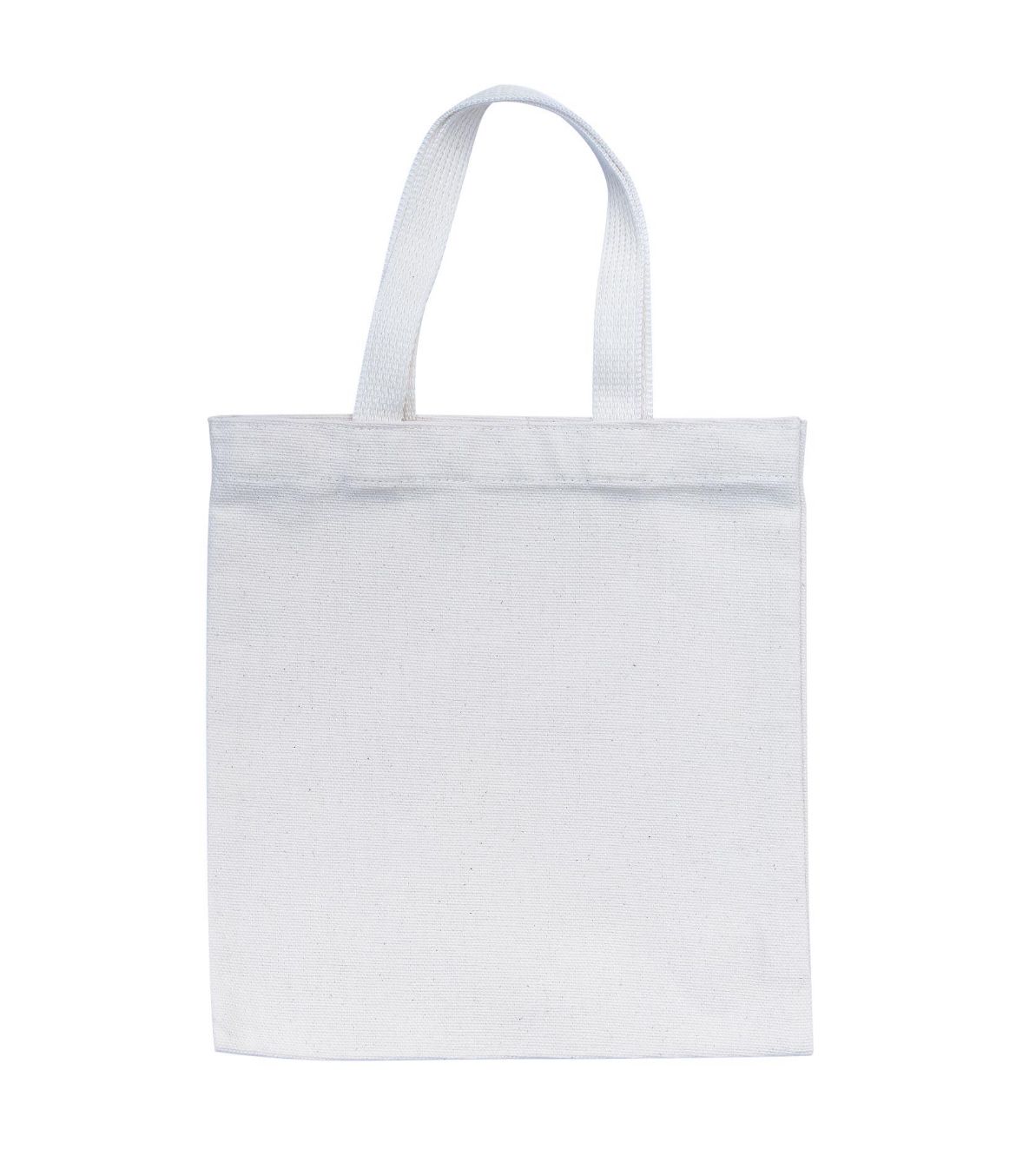
Canvas Fabric: Strength, Structure & Why It Remains a Timeless Textile
05 March, 2026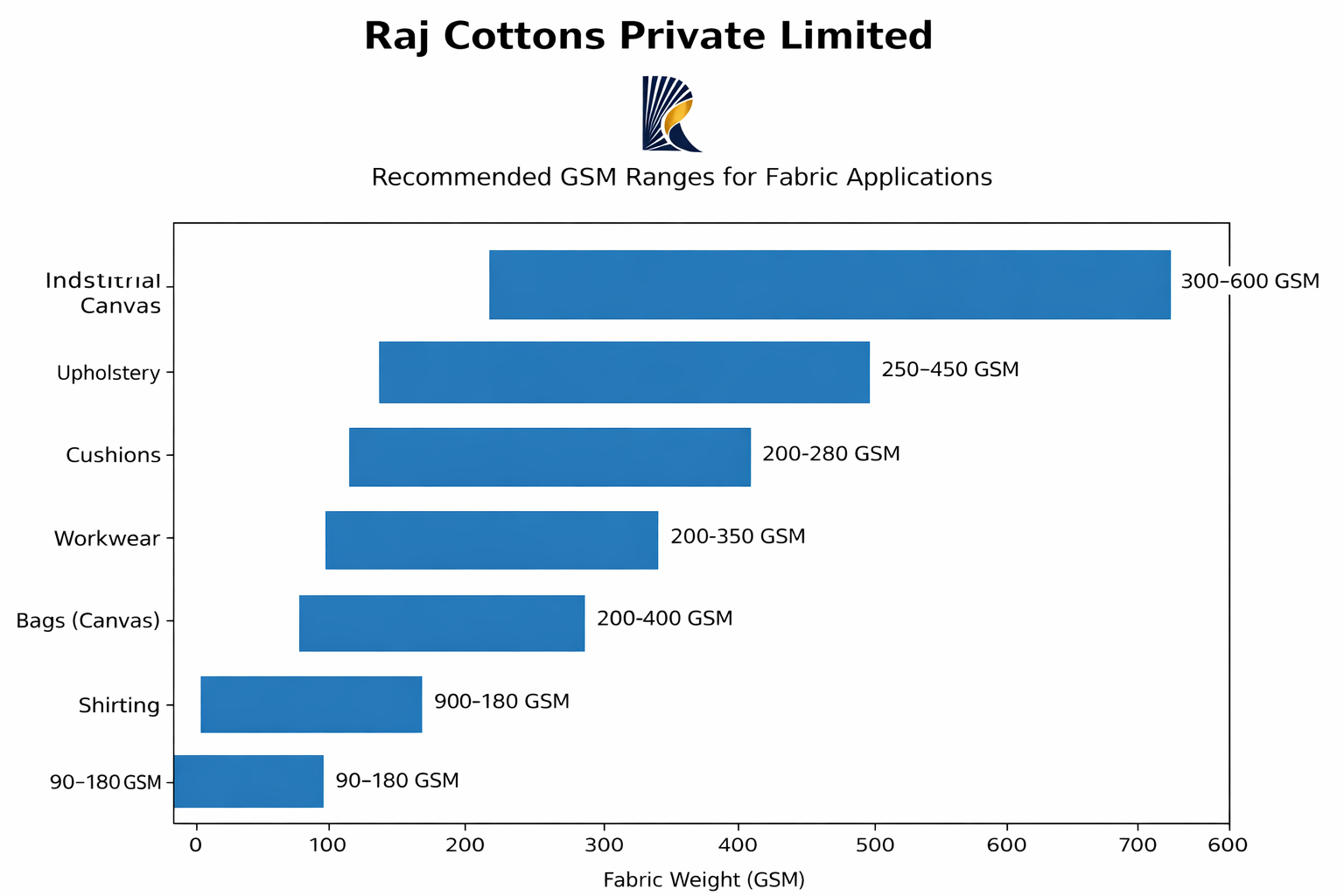
Applications & End-Uses: Choosing the Right Fabric
09 March, 2026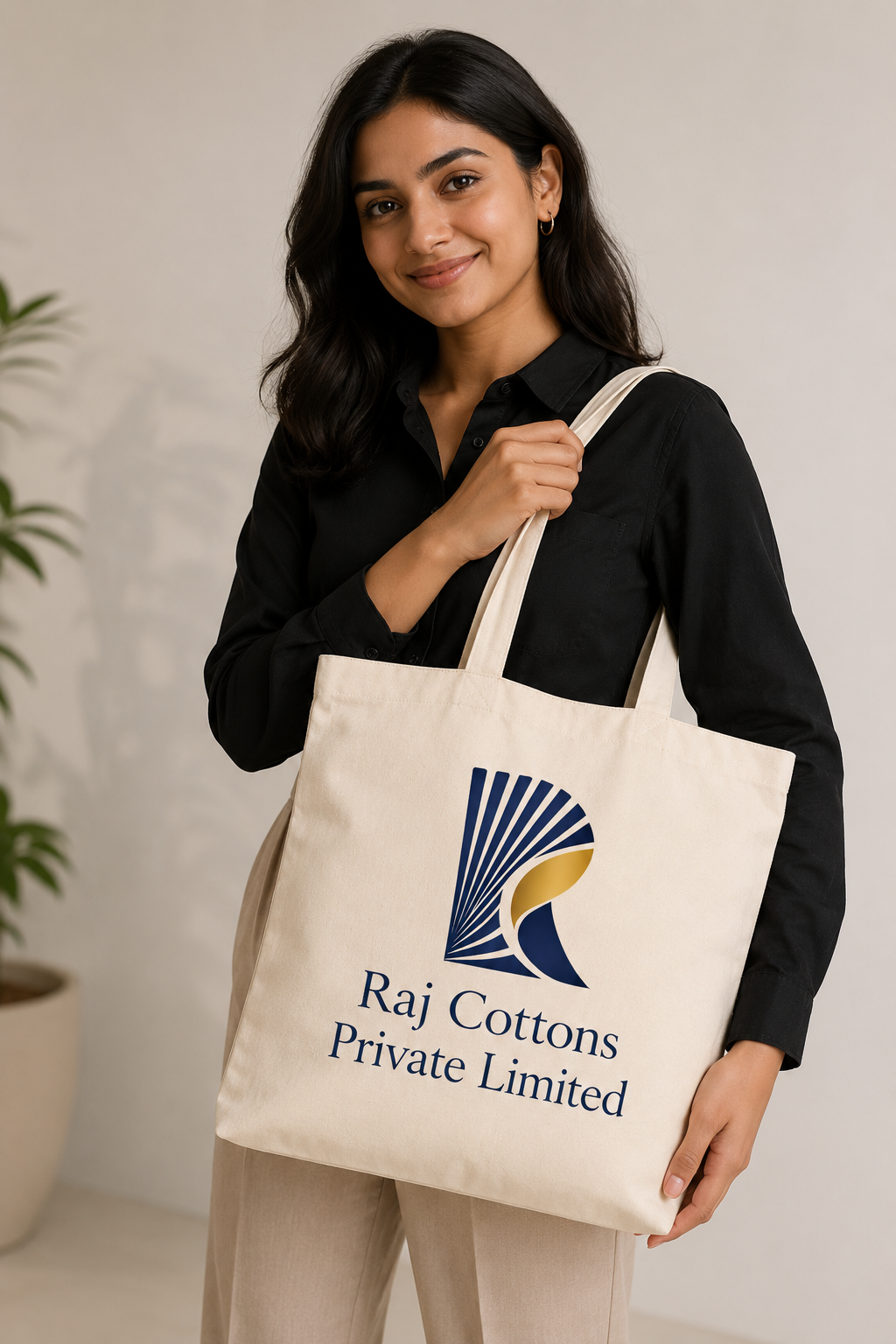
Fabric for Tote & Promotional Bags
12 August, 2026
Jaipur Block Printing & Fabrics for Bedsheets: The Beauty of Cotton Sheeting
17 August, 2026
Fabric Wiki: 10 oz Canvas Fabric – 310 GSM 10×6 Duck
26 August, 2026.png)